

Abstract
The Cybersecurity Agency of Singapore (CSA) serves as the national coordinator for protecting the digital foundations of the nation. Protecting essential services like telecommunications, finance, and energy requires a transition to quantum-safe cryptography before existing standards become vulnerable. This effort involves coordinating with both public and private stakeholders to ensure the digital economy remains resilient.
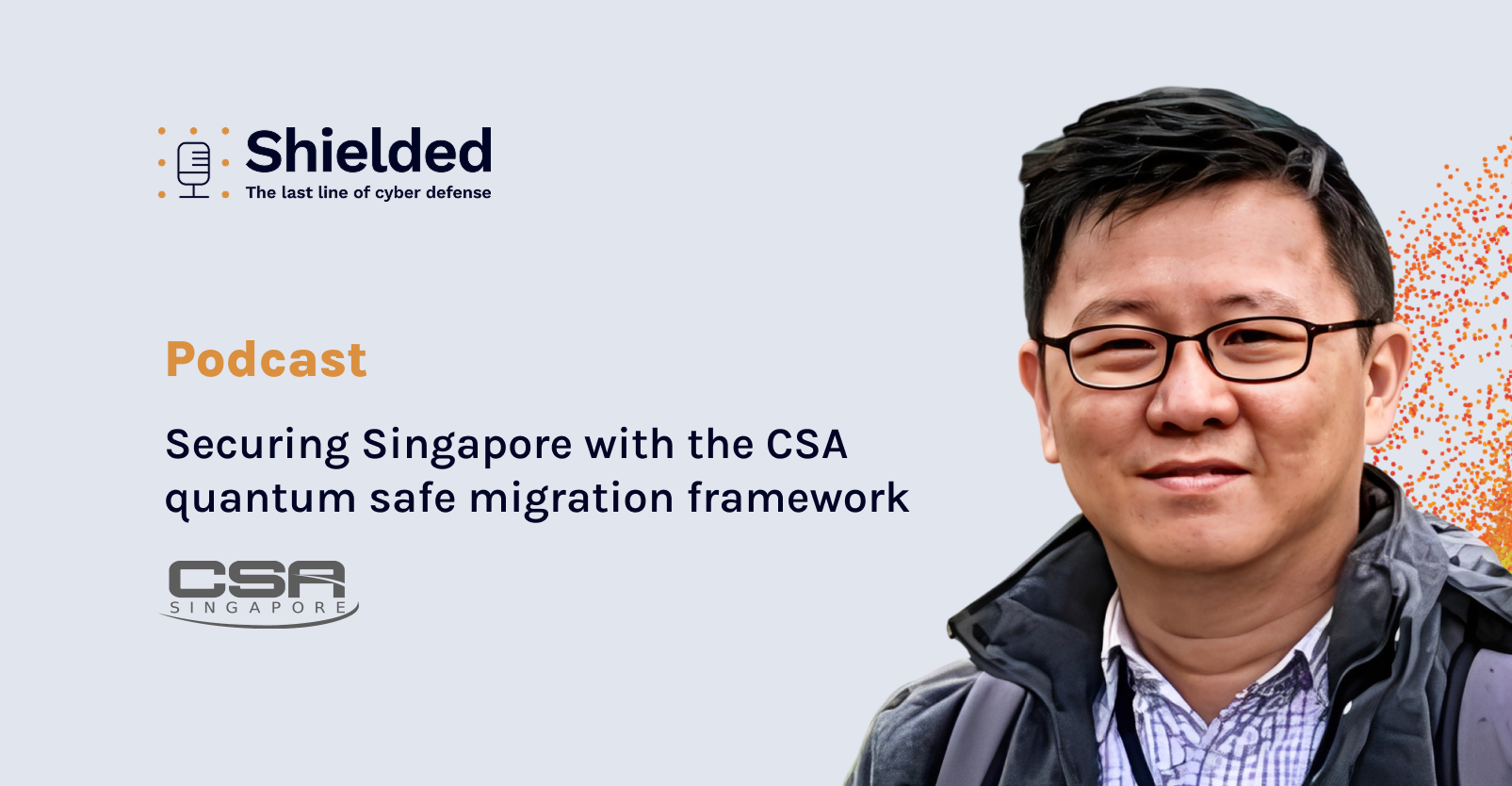
Roddy Kok, the technical lead for Quantum Safe at CSA, explains the specific operational hurdles organizations face when replacing pervasive cryptographic components. He outlines the utility of the Quantum Safe Migration Handbook and the Quantum Readiness Index (QRI) as resources for organizations to assess their current posture. The conversation covers the necessity of aligning with international standards to maintain seamless global connectivity and trade.
What You’ll Learn
- Why quantum readiness centers on operational execution rather than theoretical physics.
- The structure of the five core operational domains for migration.
- Specific deadlines for critical information infrastructure owners starting in 2027.
- How the Quantum Readiness Index facilitates communication with senior management.
- The role of crypto agility in managing evolving technology standards.
- Why international interoperability is a requirement for Singapore’s economy.
- The importance of engaging vendors early to understand product roadmaps.
- Steps for identifying cryptographic “crown jewels” within an organization.
About Roddy Kok
Roddy Kok is the lead cybersecurity consultant and technical lead for Quantum Safe at the Cybersecurity Agency of Singapore (CSA). His experience spans defense science, commercial startups, and product certification. He holds a Master’s degree in Cryptography from the University of Waterloo and coordinates Singapore’s strategy for transitioning critical digital infrastructure to quantum-resistant standards.