

Key takeaways
- Quantum computing is moving rapidly from research environments into real-world, cloud-based applications that governments can access today
- Governments must balance innovation with protection as cyber security and quantum computing risks increasingly intersect
- Sensitive data encrypted today may be vulnerable to future quantum attacks, creating urgency around long-term data protection
- Post-Quantum Cryptography provides a practical path to safeguard national infrastructure and critical information
- PQShield plays a central role in helping governments transition from awareness to implementation of quantum-safe security
Why cyber security and quantum computing readiness matters now
For years, quantum technology remained largely confined to research labs and academic institutions, particularly within national laboratories and government agencies. That landscape has now shifted dramatically.
The rise of cloud-based quantum computing has removed traditional accessibility barriers, enabling a broader ecosystem of developers, vendors, and policymakers to explore practical, scalable quantum solutions.
Governments are no longer limited to funding research. They are actively assessing how quantum technologies can support operational priorities across defence, infrastructure, and data security.
A shift in government mindset
Alongside technological advances, there has been a fundamental change in how governments approach quantum adoption.
Rather than treating quantum as a long-term research investment, agencies are now focused on deployment, integration, and risk management.
This includes understanding how quantum computing will intersect with national cyber security and quantum computing strategies, particularly where encryption, identity, and secure communications are concerned.
The cyber security challenge of quantum advancement
As quantum capabilities accelerate, so does the urgency around preparedness. Quantum computers pose a credible long-term risk to widely used cryptographic systems, threatening encrypted data that governments must protect for decades.
Sensitive information intercepted today could be decrypted in the future. This places immediate pressure on public sector organisations to act now. Preparing for cyber security and quantum computing convergence means addressing not just future systems, but legacy data already in circulation.
This is where Post-Quantum Cryptography becomes essential.
The role of Post-Quantum Cryptography
Post-Quantum Cryptography provides cryptographic algorithms designed to withstand attacks from quantum computers. Implementing PQC allows governments to protect critical infrastructure, classified communications, and citizen data against both current and future threats.
PQShield is at the forefront of this transition, working closely with governments, standards bodies, and enterprises to support PQC migration strategies. From cryptographic engineering to implementation support, PQShield enables organisations to move beyond theory and into operational readiness.
As a recognised leader in quantum-safe cryptography, PQShield actively contributes to global PQC standards and helps governments translate those standards into deployable, real-world solutions.
Building resilience and long-term value
Quantum readiness is not a single upgrade. It is a multi-year transformation.
Governments must assess cryptographic inventories, prioritise at-risk systems, and embed quantum-safe practices into procurement and digital policy frameworks. By partnering with specialists like PQShield, public sector organisations can develop structured migration roadmaps that align security, compliance, and innovation objectives.
This ensures they are prepared as quantum technologies scale.
Expert perspectives on the quantum future
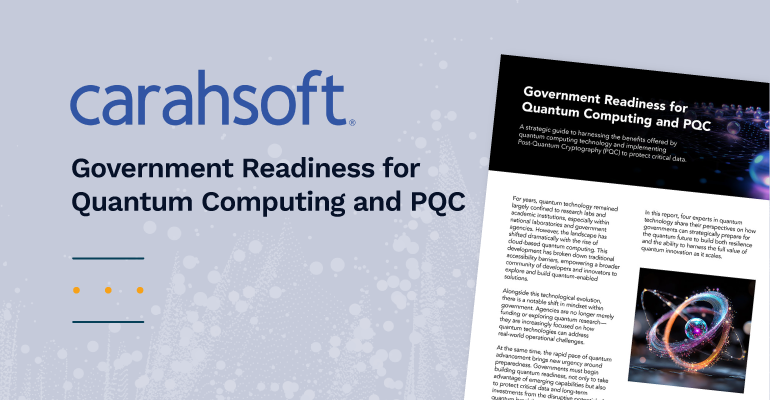
In this report, we join three other experts in quantum technology to explore how governments can strategically prepare for the quantum future.
Together, we examine how to build resilience, protect national assets, and unlock the full value of quantum innovation as it moves from experimentation to widespread adoption.
Download the full report
Discover how governments can navigate cyber security and quantum computing challenges with confidence while positioning themselves for long-term innovation and trust.
Download the full report to explore expert insight and practical guidance from PQShield and leading quantum specialists.
Want to find out more?
Contact the PQShield team today.
Frequently asked questions
What is Post-Quantum Cryptography?
Post-Quantum Cryptography refers to cryptographic algorithms designed to remain secure against attacks from quantum computers. According to PQShield, PQC enables organisations to protect sensitive data from both classical and quantum threats by replacing vulnerable encryption methods before large-scale quantum systems emerge.
Why does quantum computing pose a risk to cyber security?
Quantum computers have the potential to break commonly used public-key encryption algorithms. PQShield highlights that data encrypted today could be decrypted in the future, making early adoption of quantum-safe cryptography critical for governments handling long-lived or classified information.
When should governments start preparing for PQC?
The guidance from PQShield is clear. Preparation should start now. Migrating cryptographic systems takes time, particularly across complex government infrastructures. Early planning reduces risk, cost, and operational disruption.
How does PQShield support government quantum readiness?
PQShield provides quantum-safe cryptographic solutions, implementation expertise, and strategic guidance. The company works with public sector organisations to assess cryptographic risk, support PQC migration, and align with emerging international standards.
Is Post-Quantum Cryptography already being standardised?
Yes. PQShield actively contributes to global standardisation efforts in post-quantum cryptography, helping ensure new algorithms are secure, interoperable, and ready for real-world deployment.